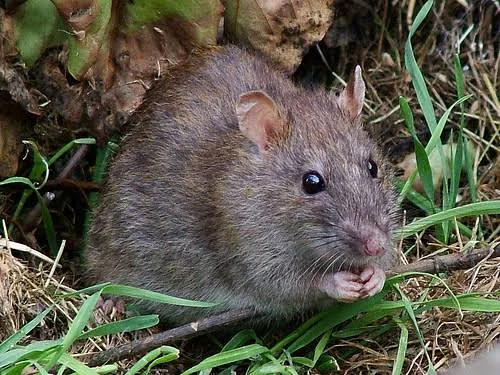
A Growing Rodent Problem, From Australia to the US
Rodent damage isn't just a UK story. Similar scenes are
playing out on the other side of the world, from mouse plagues tearing through
Western Australian farmland to rat infestations pushing American homeowners to
their limit.
The Problem Is Bigger Than You Think
In Western Australia, a mouse plague has spread across the
Mid West, Wheatbelt and Goldfields regions, with landholders reporting more
than 8,000 mice per hectare, well above the roughly 800 that typically defines
a plague, according to CSIRO researcher Steve Henry. Residents have described
mice crawling into beds, chewing through car wiring, and causing thousands of
dollars in damage to vehicles and belongings. Latham farmer Dylan Hirsch said
the plague has already cost his operation around $1 million, between bait
spending that has tripled and canola crops damaged badly enough to need
resowing. Agriculture groups have warned the outbreak could cost the industry
more than $1 billion nationally, and regulators have since approved a stronger
bait to help landholders with the worst affected properties.
In the US, a rat infestation across Idaho's Ada County,
including Boise and Eagle, has left residents feeling like they're on their
own. One property owner reportedly spent around $20,000 trying to contain
damage after a tenant heard noises in the walls. Another couple, Barbara and
Doug Perry, tried traps, adhesives and cameras with little success, and at one
point Doug caught a rat by hand after a camera alert woke him in the night.
With legislation to formally classify rats as an invasive pest stalling, residents
have largely been left to organise online and handle the problem themselves.
Why Is This Happening?
Rodents breed fast. A single pair can produce thousands of
offspring in a year, so once numbers start climbing, they tend to climb
quickly. Good conditions accelerate that further. In WA, favourable weather and
food supply can trigger a plague almost overnight. In Idaho, irrigation canals
and urban growth have given rats new routes into areas that were previously
unaffected.
Once rodents move in, they don't stay contained to crops or
gardens. They get into walls, vehicles, appliances and wiring, chewing through
whatever is in their way because their teeth never stop growing and need to be
worn down. That's what turns a population spike into structural damage, whether
it's a chewed wiring harness in a ute or a wall cavity full of nests.
The bigger issue is that most of the response, in both
regions, has been reactive. Bait, traps and cameras help after the fact, but
they don't stop rodents from getting into infrastructure, vehicles and
buildings in the first place.
A Smarter Way to Deal With the Problem
This is where CTech Corporation's Rodrepel™ comes in. It's a
low toxicity, environmentally friendly rodent aversive that can be built into
materials like cable sheathing, wiring insulation, and other vulnerable
surfaces so they become unappealing to rodents before any damage occurs.
Instead of waiting for chewing to happen and then trapping
or baiting afterward, Rodrepel™ works on contact, creating a mild aversive
response that teaches rodents to stay away. That learned avoidance carries
across individual animals and tends to spread through a population over time,
so protection builds rather than fades.
It's available as a solid masterbatch for manufacturing into
cable, wiring, and plastics from the start, a lacquer for coating surfaces
already in use, and a liquid concentrate for treating exposed points like
junction boxes and equipment housings. It's compliant with ROHS, ROHS2, REACH,
ISO, APVMA, NEA and EU BPR, and is FIFRA exempted.
Whether it's a mouse plague costing farmers a billion
dollars or rat infestation, residents are left to fight alone, the pattern is
the same: damage happens because materials weren't protected before rodents
arrived. Getting ahead of that is a lot cheaper than dealing with the
aftermath.
Get in touch at technical.marketing@ctechcorporation.com to
find out how Rodrepel™ can be built into your infrastructure or product
protection strategy.
Visit us at: www.ctechcorporation.com | www.rodrepel.com |
www.combirepel.com